

What's Trending
Aligners vs. Braces: A Comparison
One appliance is not inherently better than another. What is used for an individual’s correction will be based on the goals of treatment, and the patient’s lifestyle needs.

One appliance is not inherently better than another. What is used for an individual’s correction will be based on the goals of treatment, and the patient’s lifestyle needs.
What Is an Excessive Overbite? While many patients seek orthodontic care due to crowded or misaligned teeth, being diagnosed with a “deep bite” can come as a surprise. A deep bite, also known as an excessive overbite, is a type of malocclusion where the upper front teeth significantly cover the lower front teeth from top … Continued
A referral from the dentist might not happen if the dentist isn’t evaluating the bite. AAO orthodontists don’t require a referral from a dentist.

Change can be predictable, like the annual transformation of leaves. We can expect changes in our bodies, too – especially our teeth.
Your dentist may even offer orthodontic services, leading you to assume that he/she is an orthodontist. But the truth is that putting aligners or braces on teeth does not make a doctor an orthodontist.
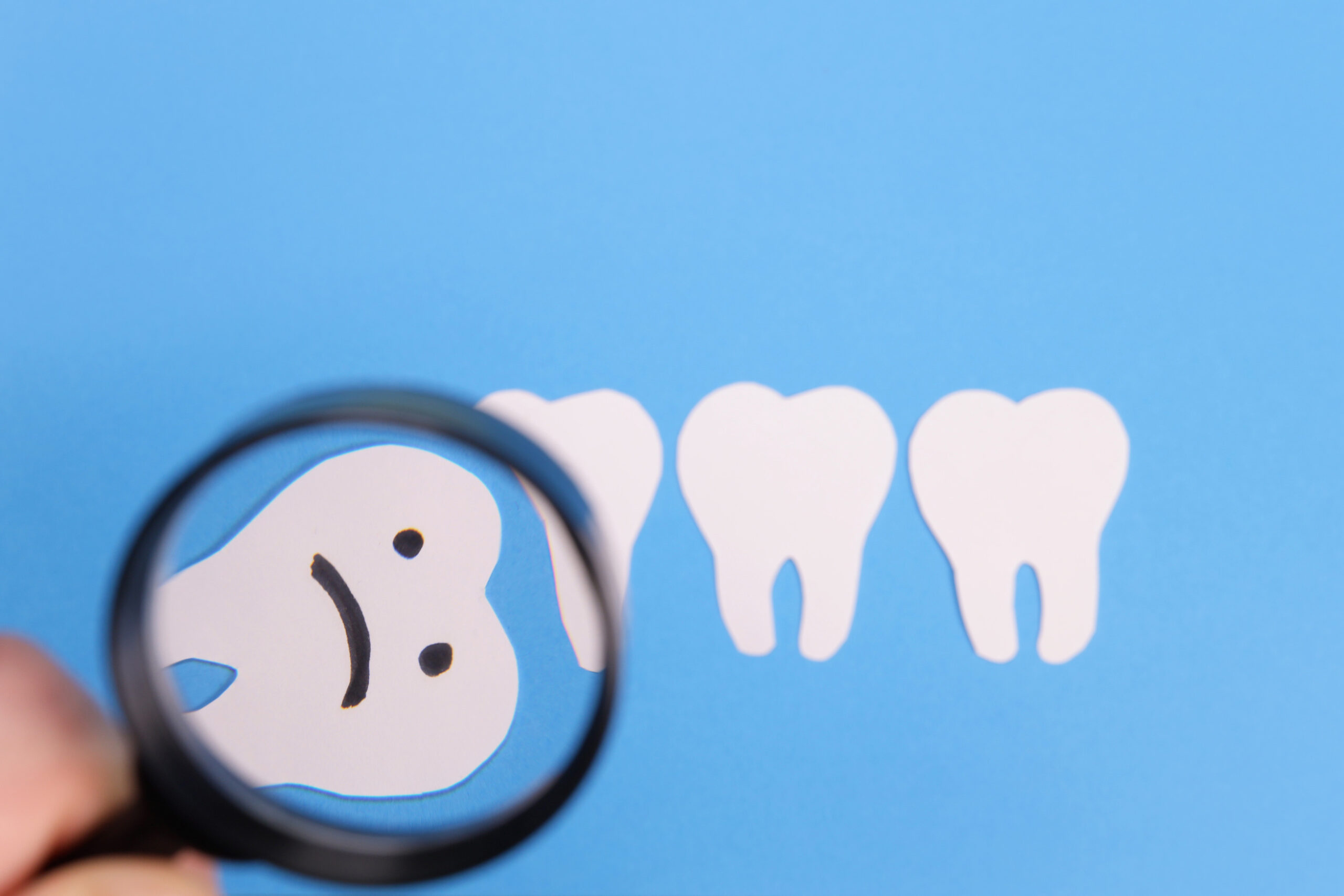
An impacted tooth either has not come in when expected or a tooth that cannot erupt because it does not have room or may be coming in the wrong direction or position.
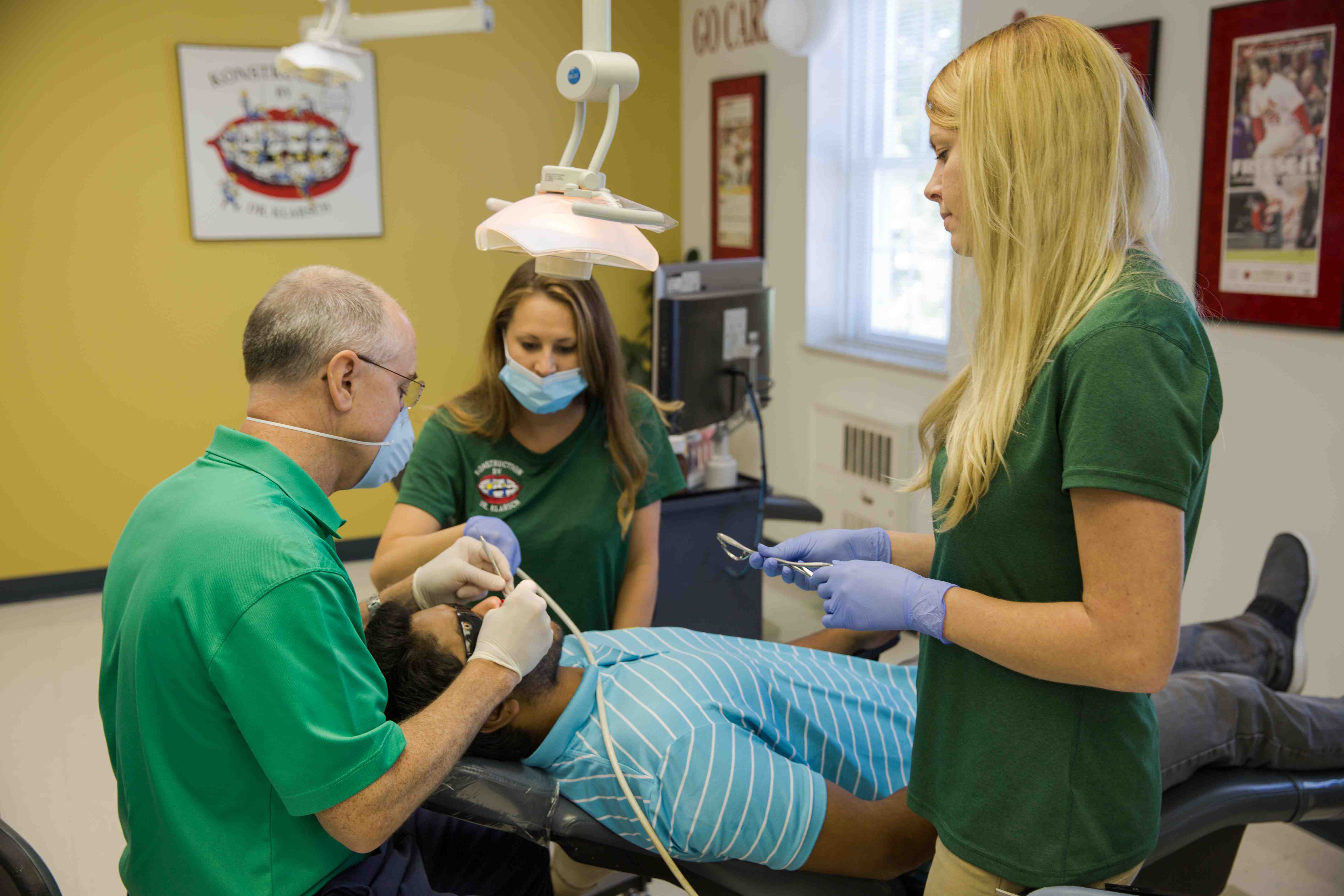
Working together with your orthodontist, orthodontic treatment can yield life-enhancing results: better function (biting, chewing, speaking), improved appearance and increased self-esteem.

The goal of early orthodontic treatment is to intercept developing problems, eliminate the cause, guide the growth of facial and jaw bones, and provide adequate space for permanent teeth.

Nothing can prevent 100% of tooth movement, but when retainers are worn as prescribed, they are the best tool available to minimize movement.
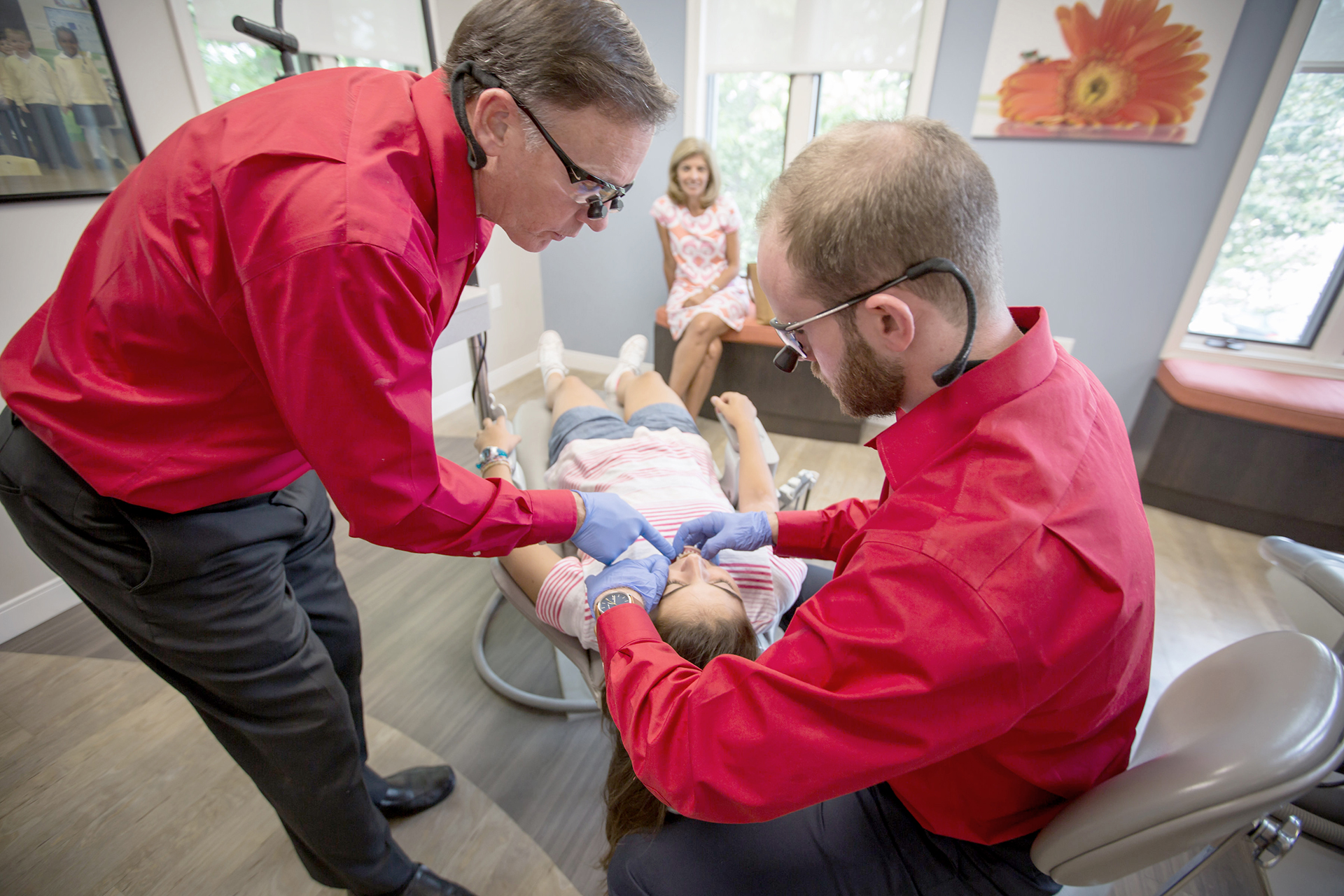
Myths be gone! The American Association of Orthodontists sets the record straight on seven common myths about orthodontic treatment.