Two-phase orthodontic treatment is a treatment plan that happens in two stages at two different times, timed to a child’s growth and dental development. Instead of waiting until all adult teeth are in. The American Association of Orthodontists recommends seeing an orthodontist earlier to guide jaw growth, improve how the teeth fit together, and create the right conditions for permanent teeth to come in.
Two-phase treatment is a targeted approach used when early changes can improve health and function, reduce the risk of future problems, or make later treatment more predictable. For many children, a single phase of comprehensive orthodontic treatment is still the right path, and an orthodontist can help you understand which plan fits your child’s needs.
In this guide, the experts at AAO discuss two-phase orthodontic treatment, what it is, what it treats, and whether or not it might be a good fit for your child.
Defining Two-Phase Treatment
Two-phase orthodontic treatment consists of Phase One (early, interceptive treatment) and Phase Two (comprehensive treatment). Phase One usually begins when a child still has a mix of baby and permanent teeth, and Phase Two generally begins later when most or all permanent teeth are in.
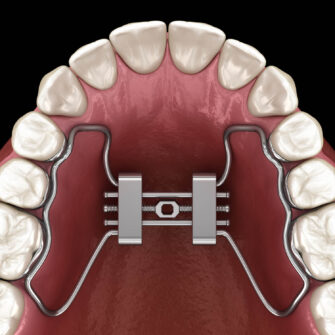
Phase One treatment mostly consists of interventions to promote proper jaw growth and minimize orthodontic treatment needs further down the road. Common treatments used during this phase are palate expanders, tongue cribs or lingual arches, and potentially braces.
A good way to think of Phase One treatment is like the scaffolding surrounding a new building during construction. By guiding a child’s jaw as it grows, it reduces the severity of malocclusions, allowing Phase Two to build on the existing foundational treatment to further correct and fine-tune your child’s bite.
Who Is the Ideal Patient for Two-Phase Orthodontic Treatment?
Two-phase orthodontic treatment is designed for kids, but it is not required for all kids. Many orthodontic problems can be treated in a single phase of comprehensive treatment. When an orthodontist recommends a two-phase approach, they have determined that early treatment is needed to help support a healthy, functional bite as your child grows.
Two-phase treatment is often considered when early growth guidance can address concerns like jaw development differences, bite problems, severe crowding, or eruption issues. In Phase One, the goal is not perfection; it is to set the stage for healthier development.
The bottom line: Two-Phase treatment is usually considered only when an orthodontist determines your child is likely to have a severe malocclusion or jaw problem, or damage to permanent teeth, and that Phase One treatment has a high likelihood of reducing that severity and risk.
How Phase One Treatment Works
Phase One usually starts when your child still has some baby teeth. At this stage, an AAO orthodontist may guide jaw growth, help create space for incoming permanent teeth, or address bite problems that are easier to influence while a child is still growing.
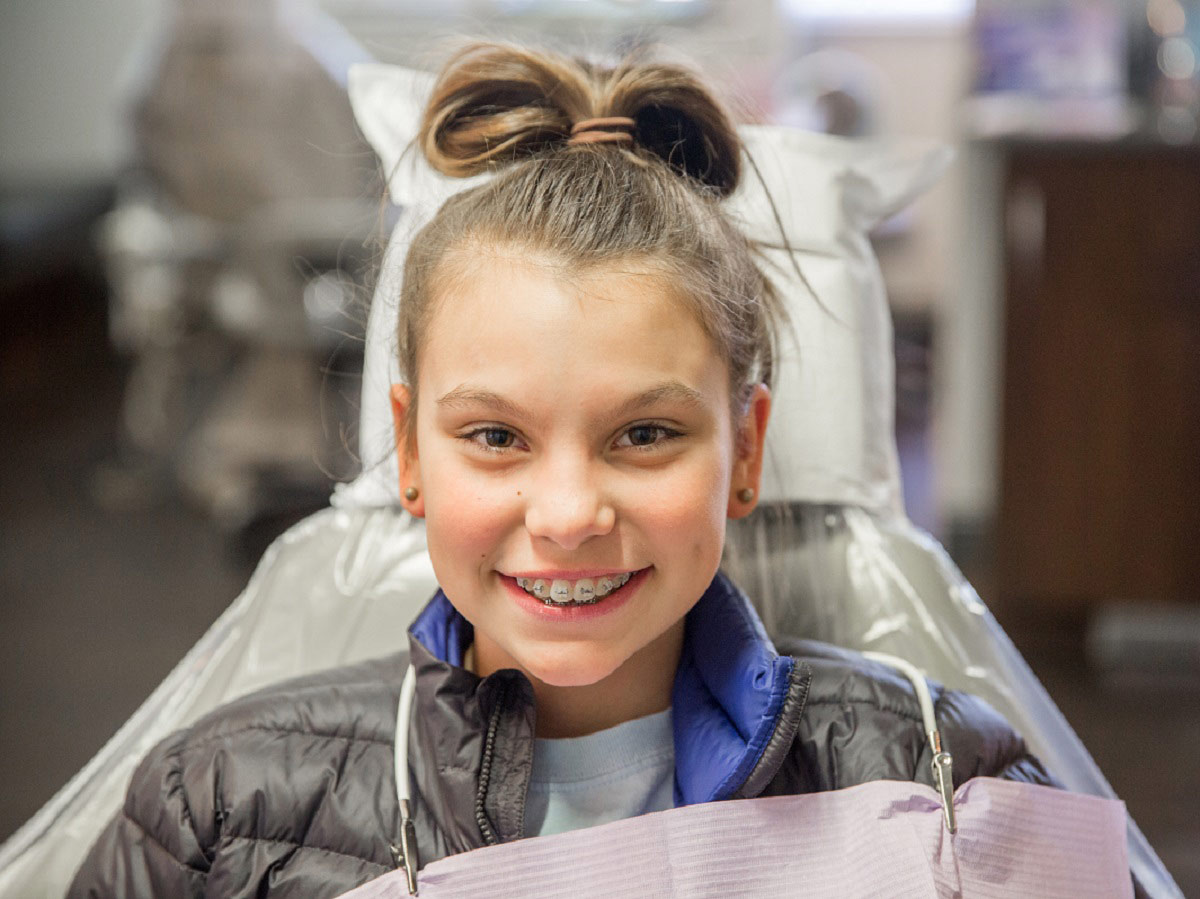
Phase One treatment may include braces or another orthodontic device, either fixed in place or removable. Your orthodontist will recommend the option that best fits your child’s needs. In some cases, removing one or more baby teeth can help make room so that permanent teeth come in more smoothly.
Common Phase One Methods and What They Treat
Orthodontists choose corrective devices based on the problem being treated, the child’s growth stage, and the overall treatment plan. Common Phase One approaches may include:
- Palatal expansion to widen a narrow upper jaw and help reduce crowding when the upper arch is too small.
- Braces on certain teeth to correct specific alignment concerns and support healthier eruption patterns.
- Functional or growth-guidance appliances are used when the direction of jaw growth and the bite relationship require early support.
The right method depends on the diagnosis. A good Phase One plan connects the choice of corrective device to the end goal: a healthier bite and a better path for permanent teeth.
How Phase Two Treatment Works
Phase Two usually starts when most or all permanent teeth are in. While Phase One focuses on creating a better environment for development, Phase Two focuses on placing teeth in their proper positions for strong function, a healthy bite, and a pleasing smile.
Phase Two often looks like what many people think of as “traditional” orthodontics, using braces or clear aligners to straighten teeth and refine how the teeth and jaws fit together.
Are Baby Teeth Moved for Cosmetic Reasons?
No. It has nothing to do with how your child’s smile looks.
Parents sometimes worry when they hear that baby teeth may move during Phase One. Phase One is reserved for problems most effectively addressed during growth, and shifting baby teeth is sometimes part of creating enough room for permanent teeth and guiding development.
Are Both Phases of Orthodontic Treatment Done Back-to-Back or Simultaneously?
No. After Phase One ends, most children enter a resting period before Phase Two begins. That break gives the jaw and teeth time to continue natural growth and allows remaining permanent teeth to erupt. The orthodontist also uses this time to evaluate how Phase One changes are holding and plan the timing and goals of Phase Two.
During the resting period, your child may still have periodic check-ins. Families often find this reassuring because it keeps the orthodontist involved as growth and permanent tooth eruption continues.
What Parents Should Know Before Saying Yes to Two-Phase Treatment
Two-phase orthodontic treatment should feel like a coordinated plan, not two disconnected treatment experiences. Ask your child’s orthodontist how Phase One supports Phase Two, what changes they are targeting now, and what they expect to address later. Strong answers will tie timing and treatment options back to growth, bite health, and long-term stability.
It also helps to ask what success looks like after Phase One. Sometimes success means creating space, improving a bite relationship, or reducing the severity of a problem so that Phase Two can be simpler and more predictable.
When Should My Child See an Orthodontist?
The American Association of Orthodontists recommends that children have their first orthodontic check-up no later than age 7. By that age, enough permanent teeth are typically present for an orthodontist to spot developing issues with jaw growth and bite alignment, even if everything looks fine at first glance.
You do not need a referral from a dentist to see an orthodontist for your child. Simply booking an appointment with your orthodontist should be sufficient.
Find the Best Treatment for Your Child With an AAO Orthodontist
Two-phase orthodontic treatment can be a powerful option when early intervention supports healthier growth and a more functional bite, but it is not necessary for every child. An AAO orthodontist can evaluate your child’s smile, explain whether one phase or two phases makes the most sense, and recommend the right timing based on development, not guesswork.
Use AAO’s Find an Orthodontist tool to find an office near you and schedule an evaluation today!