Orthodontic treatment is designed to be safe, predictable, and routine. Still, life happens. A bracket breaks the night before picture day, a wire starts poking on a weekend, or your child takes a fall at soccer practice, and you wonder, “Is this an orthodontic emergency?”
Knowing what is and is not an emergency helps you stay calm, protect your smile, and get the appropriate care efficiently. Most orthodontic problems are uncomfortable but not dangerous. A small number, especially those involving injury to the teeth, mouth, or face, need urgent attention from a dentist, orthodontist, or even an emergency room.
The good news: you do not have to figure it out alone. Your AAO orthodontist and their team are ready to guide you through unexpected problems between visits and are only ever a phone call away. However, to help you recognize the signs of a true orthodontic emergency, we’ve put together this nifty little guide.
Bite-Sized Facts: Orthodontic Emergencies at a Glance
What is an orthodontic emergency?
- An acute problem related to your braces, aligners, or orthodontic appliances that needs attention sooner than your next scheduled visit.
- It can range from mild discomfort you can manage at home to a serious injury that requires urgent care.
True medical or dental emergency – call 911 or seek urgent care when:
- There is heavy or uncontrolled bleeding.
- You have trouble breathing or swallowing.
- You suspect a broken jaw or major facial trauma.
- A permanent tooth is knocked out or severely displaced.
Common orthodontic issues that your orthodontist needs to be informed of:
- Loose or broken bracket.
- Poking or loose wire.
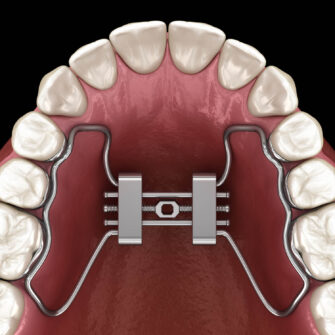
- Loose band or appliance (such as an expander).
- Lost, cracked, or distorted aligner or retainer.
- Sore spots, mouth sores, or irritation from braces.
Prevention tips to reduce emergencies:
- Avoid hard, sticky, and chewy foods that can break brackets or bend wires.
- Wear a mouthguard for sports.
- Keep orthodontic wax, a small mirror, and nail clippers or a clean cuticle cutter in a “braces kit” at home.
- Keep up with regular appointments and call if something feels “off” between visits.
What Constitutes an Orthodontic Emergency?
An orthodontic emergency is any unexpected problem with your braces, aligners, or other appliances that causes significant discomfort, interferes with treatment, or may harm your teeth or mouth if it is not addressed.
Most orthodontic emergencies fall into two categories:
- True medical or dental emergencies – Injuries or symptoms that affect your overall health or the health of your teeth and jaws.
- Urgent orthodontic problems – Issues with brackets, wires, aligners, or appliances that need timely attention but are rarely life-threatening.
Your AAO orthodontist has specialized training beyond dental school focused solely on tooth and jaw alignment, giving them the expertise to guide you through both routine care and unexpected problems arising during treatment. It’s important to let your orthodontist know immediately about any urgent orthodontic problems that occur, such as broken brackets or loose wires. This can potentially interfere with your treatment. Your orthodontist may recommend that you come in immediately to correct the issue to minimize the chance your treatment will get behind schedule.
What Should Be Considered a True Medical Emergency?
Sometimes a situation goes beyond an orthodontic problem and becomes a medical or dental emergency. In those moments, your health comes first. Seek emergency care immediately (call 911 or go to an emergency room or urgent dental clinic) if you experience:
- Heavy or continuous bleeding from the mouth or face.
- Difficulty breathing or swallowing.
- A suspected broken or dislocated jaw.A permanent tooth that is knocked out, pushed deep into the gums, or moved dramatically out of position.
- Sudden, severe pain with facial swelling, fever, or signs of infection.
Emergency medical or dental providers can stabilize injuries and control pain. After you are safe and comfortable, contact your orthodontist so they can help repair or adjust any affected orthodontic appliances.
How Should You Handle Common Orthodontic Emergency Situations?
Many unexpected orthodontic issues can be addressed with simple steps at home until you can see your orthodontist. When in doubt, call your orthodontist’s office, describe what is happening, and follow their instructions.
Causes include:
Loose or Broken Brackets
What you may notice:
- A bracket sliding along the wire.
- A bracket that is only attached to the wire, not the tooth.
What you can do:
- If the bracket is still attached to the wire, gently slide it back toward the center of the tooth.
- Use a small piece of orthodontic wax to hold it in a more comfortable position.
- Avoid hard, chewy, or sticky foods until it is repaired.
- Inform your orthodontist as soon as possible.
Poking or Loose Wire
What you may notice:
- A wire that feels long or sharp.
- Irritation to the cheeks, lips, or tongue.
What you can do:
- Try using a clean pencil eraser or cotton swab to gently push the wire toward the tooth so it lies flat.
- If you cannot reposition it comfortably, cover the end with orthodontic wax to create a smooth surface.
- If a small piece of wire breaks off and you can safely remove it with clean tweezers, you may do so.
Loose Band or Appliance
What you may notice:
- A metal ring (band) around a back tooth that feels loose.
- An expander, space maintainer, or other appliance that rocks, bends, or no longer fits.
What you can do:
- Avoid wiggling or pulling on the appliance.
- If a band or appliance comes off completely, keep it in a small container and bring it with you to your appointment.
- Inform your orthodontist immediately.
Lost, Cracked, or Warped Aligner or Retainer
What you may notice:
- An aligner that is distorted, cracked, or no longer fits properly.
- A retainer that is lost, broken, or warped (for example, after being left in a hot car).
What you can do:
- Do not continue to wear an aligner or retainer that is sharp, painful, or badly distorted.
- If you have your previous aligner and it still fits comfortably, your orthodontist may advise using it temporarily.
- See the orthodontist as soon as possible to get a replacement.
Soreness or Irritation of the Mouth
What you may notice:
- General tenderness after getting braces on or after an adjustment.
- Small sores or irritated areas on the cheeks, lips, or tongue.
What you can do:
- Choose soft foods like yogurt, smoothies, pasta, or scrambled eggs.
- Rinse your mouth with warm salt water (½ teaspoon of salt in 8 ounces of warm water).
- Use orthodontic wax to cover brackets or areas that rub.
- Consider over-the-counter pain relievers as directed by your medical provider or package instructions.
What Do You Do If You Think You’re Having an Orthodontic Emergency?
When something unexpected happens, a simple plan helps:
- Stay calm and assess the situation.
- Is there heavy bleeding, breathing difficulty, or a possible broken jaw? If yes, call 911 or seek emergency care right away.
- Check the braces, aligners, or appliances.
- Look in a well-lit mirror to see if a bracket is loose, a wire is poking, or an appliance has moved.
- Use home comfort measures.
- Apply orthodontic wax, take over-the-counter pain relievers as directed, and choose soft foods as needed.
- Contact your orthodontist’s office.
- Call, send a message through the office portal if available, or follow any after-hours instructions on the office voicemail. Explain what happened and what you are feeling.
- Follow their advice about next steps.
- Your orthodontist may walk you through a simple home fix, recommend a sooner-than-planned “emergency visit,” or coordinate with your general dentist or other providers if needed.
How Do You Prevent Orthodontic Emergencies?
No one can prevent every accident, but small habits make emergencies much less likely during treatment:
- Choose braces-friendly foods.
- Avoid hard candies, ice, popcorn kernels, nuts, and sticky items like caramels or gummy candies, as they can break brackets or bend wires.
- Cut food into smaller pieces.
- Slice apples, carrots, and crusty breads into bite-sized pieces instead of biting directly into them.
- Brush and floss as directed.
- Healthy teeth and gums tolerate orthodontic treatment better and recover more quickly from minor irritation.
- Wear a mouthguard for sports.
- A properly fitted mouthguard helps protect both your teeth and your orthodontic appliances during contact sports or activities with a risk of impact.
- Keep an “orthodontic toolkit” on hand.
- A small mirror, orthodontic wax, a travel-size toothbrush, floss or floss threaders, and clean tweezers or cuticle cutters can make it easier to handle minor issues at home.
- Keep all scheduled appointments.
- Regular visits allow your orthodontist to spot minor issues early and adjust your treatment plan as needed.
When in Doubt, Reach Out to Your AAO Orthodontist
Unexpected things can happen during orthodontic treatment, but you are not alone. Understanding what counts as an orthodontic emergency, knowing simple home comfort steps, and contacting your orthodontist promptly keep your treatment on track and protect your smile.
If you have not yet chosen an orthodontic specialist, you can search for an AAO orthodontist near you using our online locator tool.