
Starting orthodontic treatment brings up a lot of questions that have nothing to do with brackets or aligner trays. How long will this take? Is it going to hurt? What happens if something breaks on a Friday night? Here’s what to actually expect, from your first weeks of treatment to the day your retainer comes home with you.
How Long Does Orthodontic Treatment Usually Last?
Treatment length depends on the severity of the problem being corrected and the type of treatment used. Mild crowding or spacing can often be resolved in eight to twelve months, while more complex bite issues may take a couple of years. After your exam, your orthodontist will estimate your treatment length.
Several factors affect how long treatment takes. Straightforward crowding or spacing moves faster than a bite or jaw discrepancy. Adult teeth are more firmly set in the jaw, so treatment can take longer for adults than for children or teens. Wearing elastics or aligners as prescribed and keeping your appointments keeps treatment on schedule, while a lost aligner or a loose bracket can set things back. Cavities or gum problems that come up mid-treatment can slow things down too, so keep seeing your family dentist for regular cleanings during treatment.
Which Orthodontic Treatment is Fastest?
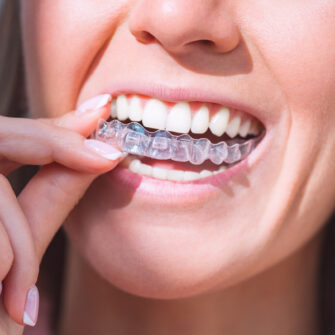
A common assumption is that clear aligners move faster than braces. That’s not necessarily true. Aligners aren’t made in the orthodontist’s office. They’re manufactured and shipped, and that process alone can take several weeks. Once you factor in the initial scans, fitting attachments, and getting used to wearing them, aligner treatment can take just as long as braces.
Braces go on in a single visit and start working right away, with your orthodontist making adjustments at each appointment. Neither option has a built-in speed advantage. How fast treatment moves depends more on your specific case and how consistently you wear whatever’s prescribed than on which type of appliance you’re using.
Which Orthodontic Treatment Option Is Best for Me?
That’s really a question for your orthodontist, since it depends on your bite, your teeth, and what you’re comfortable with day-to-day. Braces and aligners are both effective, but they suit different situations. Braces work well for more involved tooth movement, since your orthodontist has direct control at every adjustment. Aligners are removable, so you can take them out to eat and brush, but they only work if you wear them as prescribed, usually 20-22 hours a day. Some plans combine aligners with elastics or other appliances to achieve the desired result.
It’s not unusual to see more than one orthodontist and get more than one suggested plan. Treatment planning involves professional judgment, so ask each provider to explain their reasoning and choose the one you trust most.
Does Orthodontic Treatment Hurt?
Braces don’t hurt all the time, but some soreness is normal at certain points during treatment. Most people notice pressure or tenderness for a few days after braces are first placed or adjusted, since that’s when teeth start to move. Your lips, cheeks, and tongue may also feel irritated where brackets and wires rub, especially early on.
Mild discomfort like this is temporary. Rinsing with warm salt water or taking an over-the-counter pain reliever usually helps, and orthodontic wax can cover any spots that are rubbing. If elastics are part of your treatment, some soreness when you first start wearing them is normal too, and it should ease up as your mouth adjusts. Ongoing or severe pain isn’t expected, so if something doesn’t improve after a few days, call your orthodontist.
How Often Will I See the Orthodontist?
Visits to adjust braces or pick up new aligners are typically scheduled every six to ten weeks. At each visit, your orthodontist checks your progress and the health of your teeth and gums, and makes any needed adjustments. The number of visits depends on your specific case.
What Counts as an Orthodontic Emergency?
Most problems that come up during treatment are uncomfortable but not dangerous. A loose or broken bracket, a poking wire, a loose band or appliance, or a lost or cracked aligner or retainer are all things your orthodontist needs to know about, even if they’re not true emergencies. Call the office to explain what happened, and they’ll tell you whether it needs to be seen right away or can wait until your next visit.
A true medical emergency is different. Heavy or uncontrolled bleeding, trouble breathing or swallowing, a suspected broken jaw, or a knocked-out permanent tooth need immediate care from a dentist, orthodontist, or emergency room. Keeping a small braces kit at home with orthodontic wax, floss, and a spare interproximal brush makes it easier to manage the smaller issues between visits.
Build Your Treatment Plan with an AAO Orthodontist
Finishing active treatment isn’t quite the finish line. You’ll need a retainer to hold your results in place, and your orthodontist will tell you how long and how often to wear it. Retainers only work if you actually wear them as directed, so this part matters just as much as anything that came before it.
Your case, your bite, and your timeline are specific to you, and an orthodontist is the only one who can tell you what to expect from here. Find an AAO orthodontist near you to get started.