
Understanding Orthodontics: What is an Orthodontist?
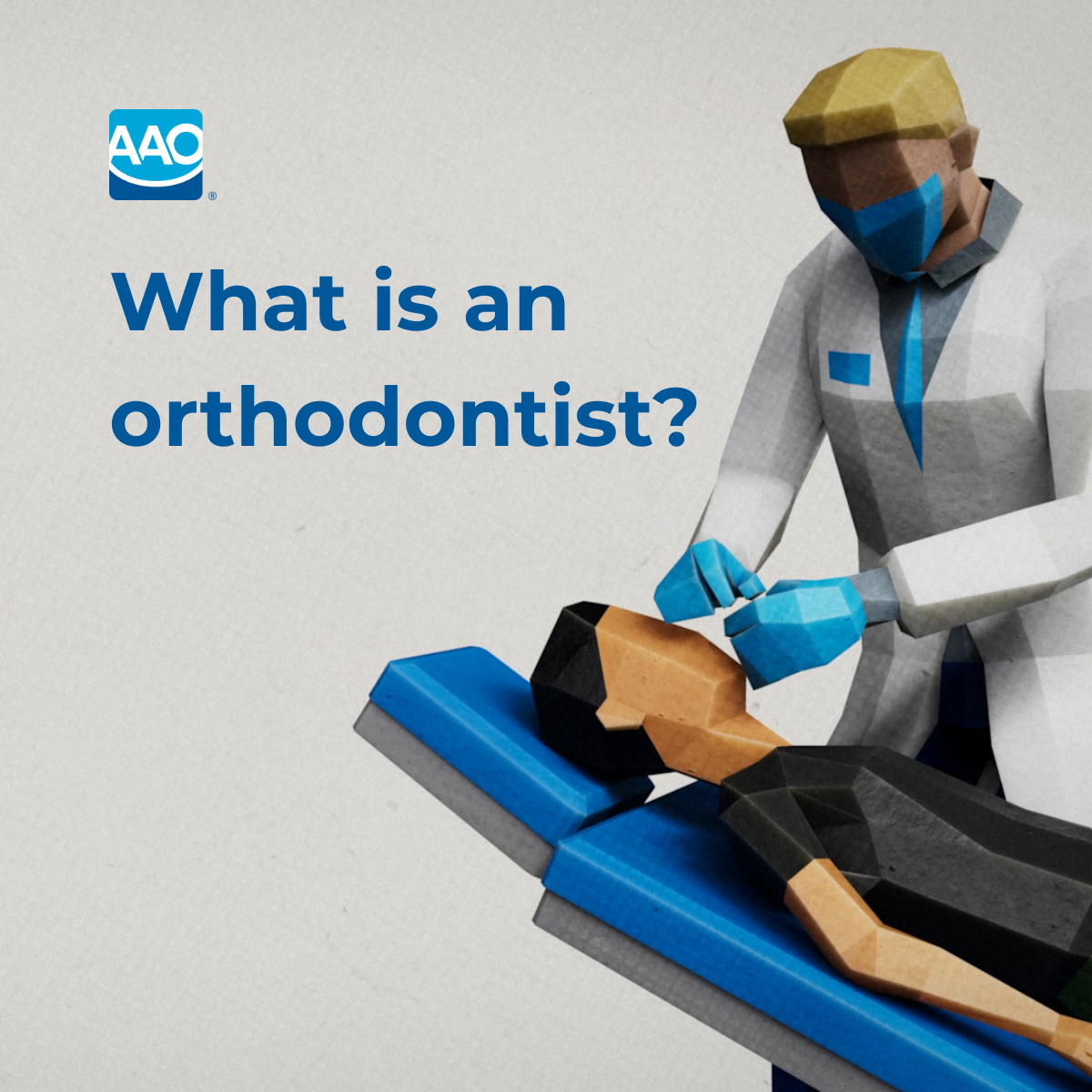
Similar to becoming a medical specialist, such as a surgeon or an internist, orthodontists complete orthodontic residency program for two to three years after dental school.
What to Expect At Your First Orthodontic Appointment Visiting the orthodontist for the first time can seem daunting, especially when you don’t know what to expect. Luckily, your initial appointment is simply an opportunity to learn more about your unique needs, ask questions, discuss your concerns, and receive expert treatment recommendations. Orthodontic treatment not only … Continued
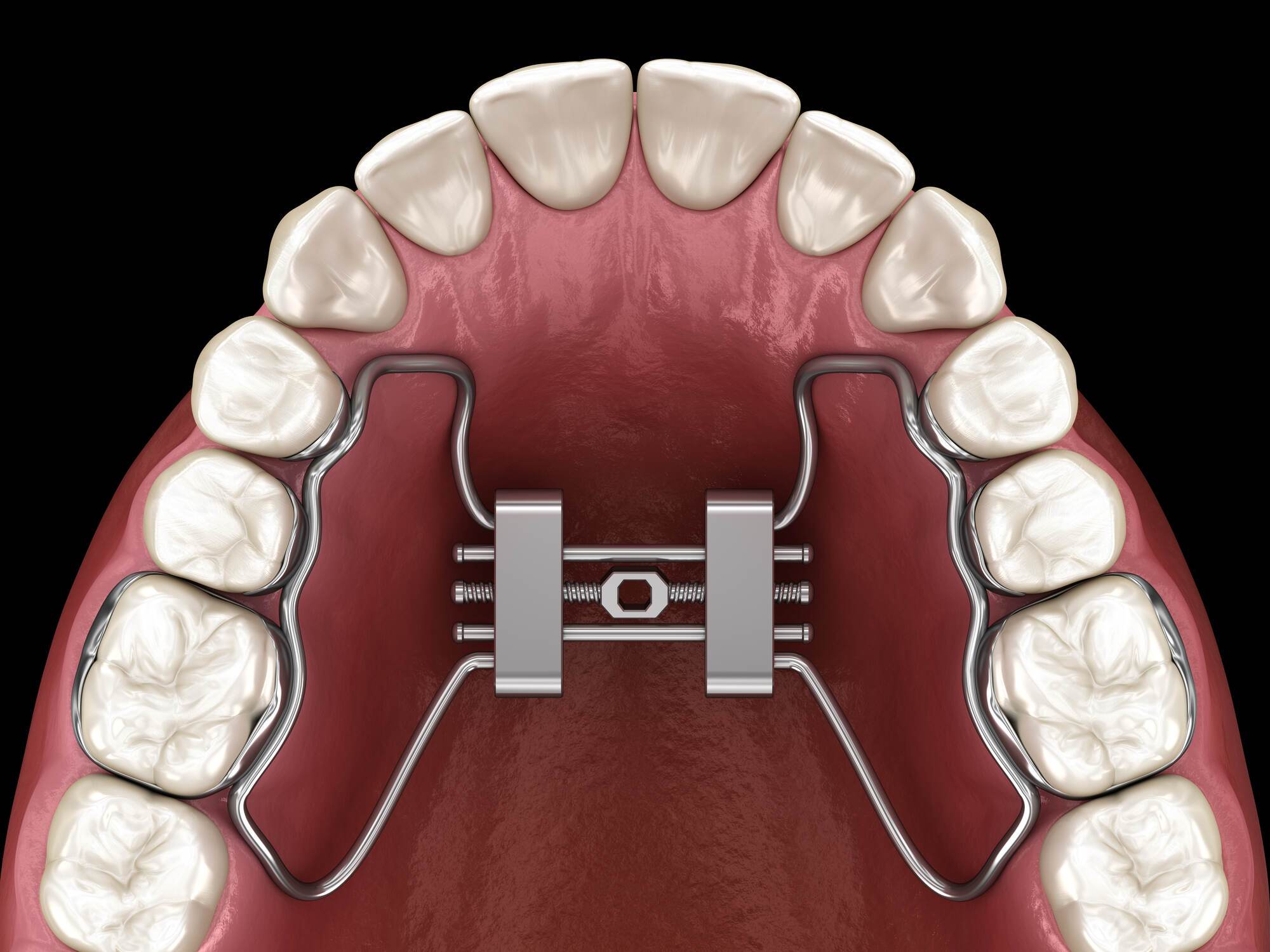
Orthodontists use a variety of tools to correct malocclusions (bite problems) in children, teens, and adults. But few are as misunderstood as the palatal expander. Palatal expanders are used to gently apply pressure to children’s jaws as they develop, helping them grow in a way that prevents significant transverse bite problems in the future. While … Continued
Two-phase treatment means that treatment is done at two different times, often to take advantage of predictable stages of dental development.
This may seem like an odd time of year to discuss HSA/FSA funds, but at the AAO, we think this could be the MOST appropriate time to talk about it. And more importantly, you do not have to wait.
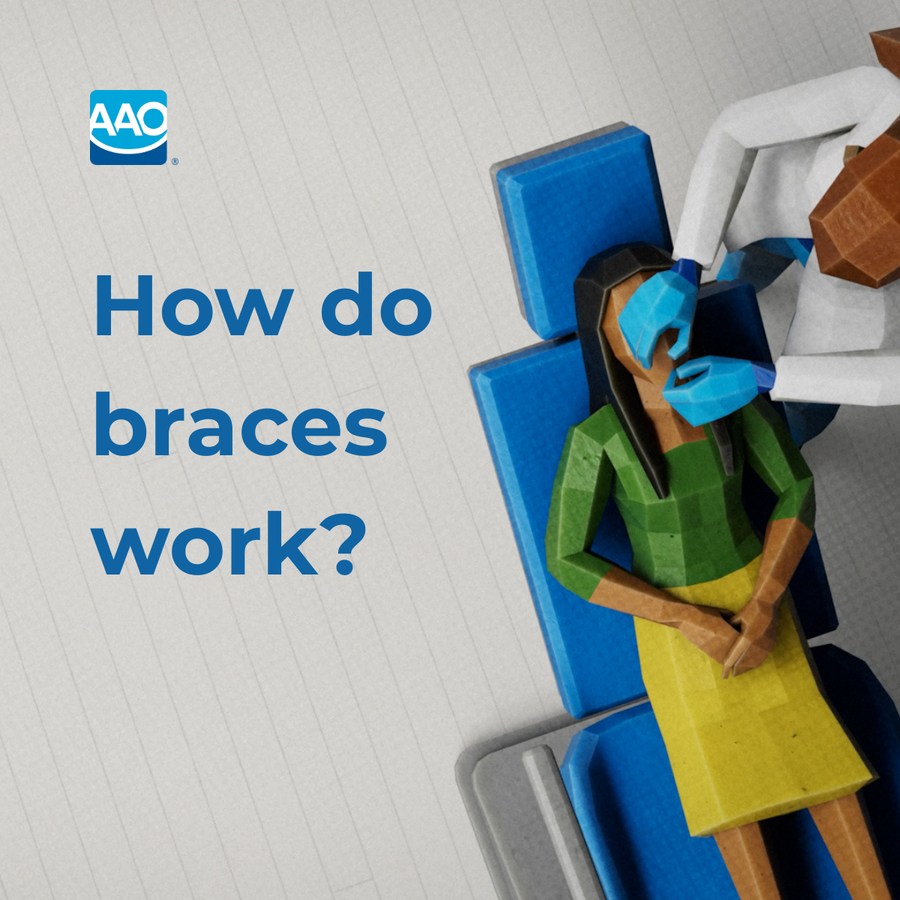
While we’re all familiar with the transformative power of braces in straightening teeth, how does this process work? Behind each wire and bracket lies a fascinating world of science and precise engineering designed to align teeth and jaws.
Successful Treatment Begins with a Consultation Orthodontic treatment creates a more aesthetically pleasing smile while ensuring your teeth and jaws are healthy and function properly. This transformative treatment begins with an in-person consultation, where your orthodontist will use X-rays or dental imaging to gain a complete picture of your oral health and create a tailored … Continued
Orthodontic treatment is designed to be safe, predictable, and routine. Still, life happens. A bracket breaks the night before picture day, a wire starts poking on a weekend, or your child takes a fall at soccer practice, and you wonder, “Is this an orthodontic emergency?” Knowing what is and is not an emergency helps you … Continued
Myths be gone! The American Association of Orthodontists sets the record straight on seven common myths about orthodontic treatment.
White spots on teeth can appear before, during, or after orthodontic treatment. Braces do not “create” these spots on their own. In most cases, white spots happen when plaque and acid sit on enamel long enough to pull minerals out of the tooth surface. If you notice white spots developing, it is a signal to … Continued